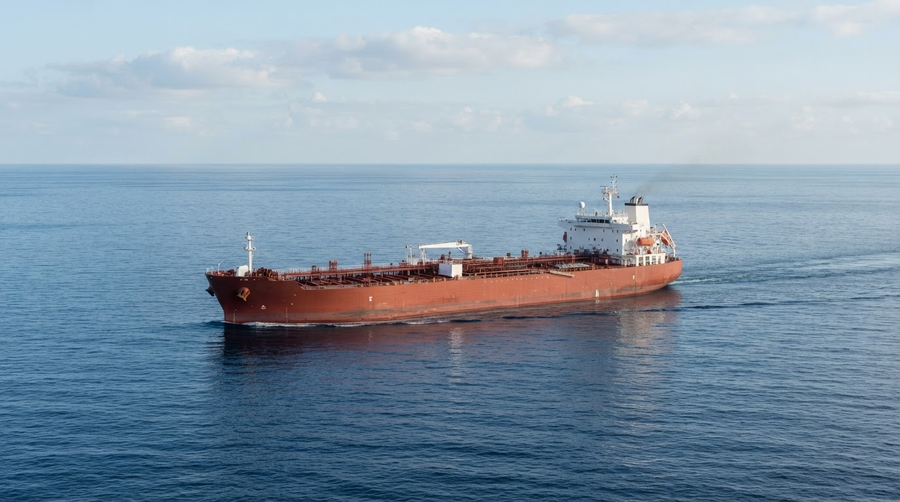
Hello, my name is Robert Hutchins, and was a Merchant Seaman for 22 years. Now I'm Retired Veteran and telling about my life at Sea.
After four years in the Navy, I decided to join the Merchant Marine back in 1984. It was a very exciting lifestyle and, for me, better than being in the Navy. You need no college degree, you get paid to travel the world, and you gain rich experiencesand an education that can be better than college.
Chart a skilled sea career without a four-year degree
Mariner Pathways is a plain-language guide for young adults and career changers who want real entry routes into the U.S. Merchant Marine. Learn credentials, training options, and how first jobs actually work, before you spend money or sign anything.
Independent resource. Not affiliated with the U.S. Coast Guard, MARAD, Military Sealift Command, or any government agency.
Route card
Field guide · 01
01
Pick an entry route
Deck, engine, steward, or academy track
02
Secure core credentials
TWIC, medical, and Merchant Mariner Credential
03
Train for your first hitch
Safety courses, then apply for shipboard work
04
Build sea time
Advance with experience, exams, and endorsements
Pay, schedules, and advancement vary by vessel, employer, union agreement, and time at sea. No route guarantees a job or income level.
Debt-light entry paths
Plain-language guidance
Credentials, training routes, and job entry steps explained without jargon walls.
Independent by design
We do not issue papers, hire crews, or speak for any government agency.
Honest expectations
Time away, drug testing, and variable schedules are part of the real picture.
Choose your route
Five ways people enter merchant mariner work
There is no single correct door. Start with the route that matches your age, budget, timeline, and whether you already have military or trade experience.
No maritime experience required
Entry-Level
Start in unlicensed deck, engine, or steward roles after core credentials and basic safety training. A strong fit if you want paid work and shipboard learning sooner than a multi-year school track.
TWIC and MMC basics
Safety training first
Apply to entry billets
Earn while you train
Apprenticeship
Structured programs pair classroom hours with supervised sea time. Useful if you want a clearer ladder, mentoring, and a defined path toward higher ratings or licenses.
Paid training routes
Mentored sea time
Defined advancement steps
Students and parents
Maritime Academy
Federal and state academies lead toward licensed officer careers. Compare cost, admissions, service obligations, and outcomes carefully before you commit.
Officer-track education
Costs and obligations
License-focused path
Veterans and transitioning service members
Military-to-Mariner
Prior sea service and military training may support civilian credentials. Gather records early and map how your rate or specialty translates to merchant mariner roles.
Service record review
Credential fee help options
Civilian role mapping
From first hitch to licensed roles
Work Your Way Up
Many mariners advance by stacking sea time, courses, and exams. Progress depends on vessel type, department, endorsements, and how consistently you stay employed afloat.
Sea-time building
Ratings and licenses
Long-term career ladder
Academy paths, apprenticeships, and military transitions have different costs, timelines, and obligations. Use this page to orient yourself, then verify current requirements with official sources before you apply or pay fees.
From zero to first hitch
The practical sequence most beginners follow
Exact requirements change by role and vessel type. This sequence helps you understand the order of operations so you do not pay for the wrong thing first.
Most U.S. merchant mariner pathways begin with a TWIC. It is a federal ID used for secure maritime and transportation facilities. Plan for an application, background check, and enrollment appointment.
02
Apply for your MMC and medical
Merchant Mariner Credential + medical certificate
The Merchant Mariner Credential is the Coast Guard credential that authorizes you to serve in specific capacities. You will also need to meet medical standards. Gather identity documents early and follow the current application checklist carefully.
03
Complete basic safety training
STCW and entry safety courses
Before many first jobs, you need approved basic safety training. Course packages often cover personal survival, fire prevention, elementary first aid, and personal safety and social responsibilities. Confirm which courses your target jobs require.
04
Apply for your first hitch
Entry billets and first contracts
With papers and training in hand, you can pursue entry-level shipboard work through employers, unions, crewing offices, or training pipelines. A hitch is a work period at sea followed by time off. Schedules differ widely by vessel and company.
What life at sea asks of you
Opportunity with real trade-offs
A merchant mariner career can offer travel, skilled work, and long-term advancement. It also asks for discipline, time away, and comfort with variable schedules. Know both sides before you invest.
Why people choose it
Skill and advancement paths
Deck and engine work can lead from entry ratings toward higher responsibility, specialized endorsements, and licensed roles as you build sea time and pass exams.
Purpose with a paycheck
Merchant mariners move cargo, support offshore work, keep inland commerce moving, and staff vessels that keep supply chains running.
A trade community
Shipboard life is team-based. You learn by doing alongside experienced crew, with clear watch routines and shared responsibility for safety.
What you should plan for
Time away from home
Rotations can mean weeks or months aboard, then time off. Family planning and home logistics matter as much as the job itself.
Standards and screening
Expect drug testing, medical standards, safety culture, and strict rules around fitness for duty. This work is regulated for a reason.
Pay and schedules vary
Earnings depend on role, vessel, employer, union agreement, overtime, and how much of the year you spend at sea. Treat online pay screenshots as anecdotes, not promises.
The U.S. Merchant Marine is the civilian fleet of commercial and government-contracted vessels. A merchant mariner is a civilian professional, not a military service member by default, even when vessels support national sealift missions.
Free newsletter and starter checklist
Your TWIC and Merchant Mariner Credential starter checklist
Sign up for the free Mariner Pathways newsletter and get a practical checklist covering the first documents, medical steps, training decisions, and application prep most beginners need. Short emails will explain entry routes, realistic expectations, and how to prepare for a first hitch.
What you’ll learn
How to compare entry routes, from entry-level work to apprenticeships and academies
How TWIC, MMC, medical requirements, and basic safety training fit together
Where to find free or paid-to-train options, and how to weigh the costs
What to expect from first jobs, pay, schedules, advancement, and life at sea